
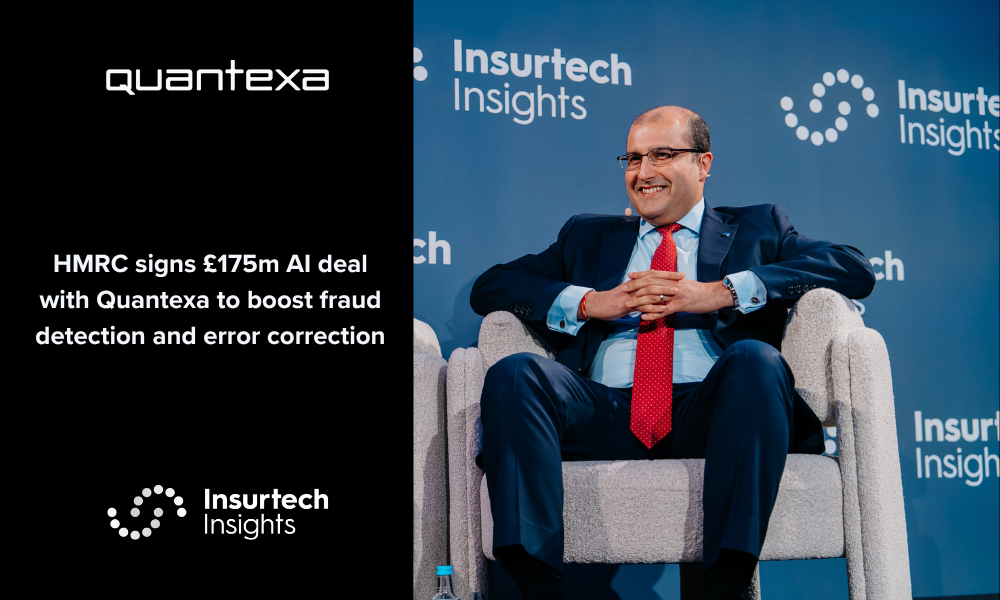
HM Revenue & Customs has agreed a 10-year, £175 million contract with UK-based data and analytics firm Quantexa to deploy AI technology aimed at improving fraud detection, reducing tax return errors, and enhancing operational efficiency.

The system will combine HMRC’s internal datasets with external data sources to help identify suspicious activity, uncover hidden networks of individuals and companies involved in fraud, and support staff in handling customer queries more effectively. It will also assist in correcting unintentional tax reporting errors, such as misallocated or incorrectly referenced payments.
Quantexa said the platform is designed to strengthen decision-making rather than replace human oversight. The company emphasised that any AI-generated outputs will be reviewed by HMRC staff, with chief executive Vishal Marria noting that transparency, auditability, and explainability are central to its design, particularly given the sensitivity of government decision-making.
The initiative comes amid rising public complaints about HMRC service performance, including delays in response times and administrative inefficiencies. The rollout is also aligned with the UK government’s broader “digital sovereignty” strategy, which aims to reduce reliance on overseas technology providers by investing in domestic capabilities.
Quantexa’s technology is already used by major organisations including HSBC and Vodafone, and the firm has a reported valuation of around $2.6 billion. Under the agreement, HMRC data will remain within its own secure environment, with strict separation from Quantexa’s broader commercial operations.
The deal reflects a wider trend in public sector digitisation, where governments are increasingly adopting AI-driven analytics tools to manage complex datasets, improve compliance, and detect financial crime more effectively—while maintaining human oversight in final decision-making.